You’re Not “Bad at English”
Here’s what actually matters
GCSE and A Level English Literature share a unique challenge that isn't found in other subjects.
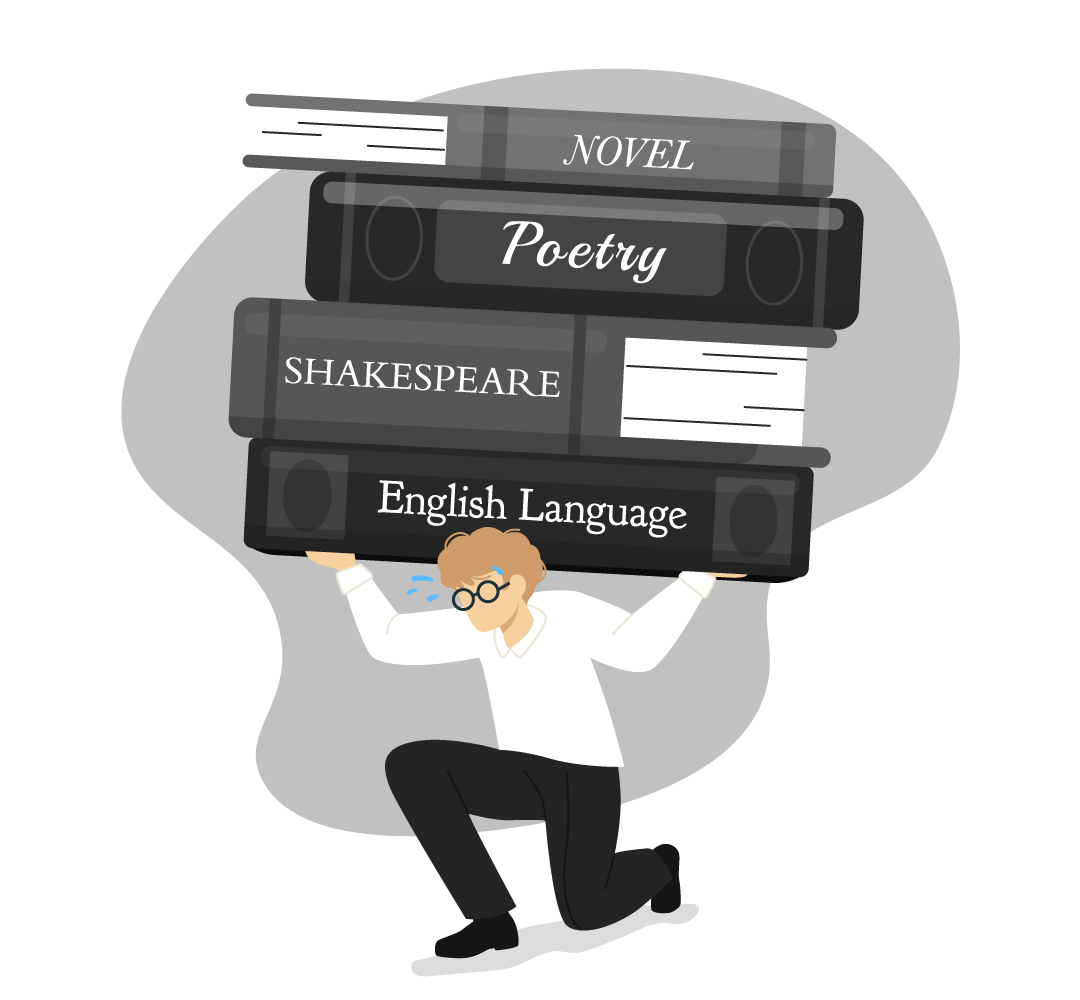
Unlike History, Geography and the Sciences, there's no set specification telling you exactly what you must know. Instead, for English Literature GCSE, you need to create your own textbook.
You need to make your own interpretation of your set texts, then decide which content to revise to stand out to your examiners.
There's a need to be insightful and then evidence those insights — under time pressure. It's a lot to do, and, if you lack confidence, getting started can feel really difficult.
What if you can't find anything to say?
What if you can't see what others seem to spot in their texts with ease?
What if you just don't have the “ natural flair” for it?
The last of these is something a tutor told me while I did my own English GCSE back in the day, and it really hurt my confidence. And I've seen similar things happen to my own students, so that one who recently started lessons with me simply asserted “I’m just not good at English”.
The words we use to praise strong performance in English Literature makes the problem worse.
“Perceptive”
“Insightful”
“Great literary instinct”.
Words which imply an innate talent.
But becoming great at analysing English Literature is like developing any other skill set. It's not like trying to see into a crystal ball. You don’t need a particular innate ability.
What you do need is lots of practice, good advice, and resources that inspire you. That’s the purpose of the resources you’ll find here: to show you your “natural ability” (whatever that means) probably matters much less than your work ethic, curiosity, and approach.
I hope you’re inspired by them!