Caleb Femi’s ‘Thirteen’: Grade 9 Analysis
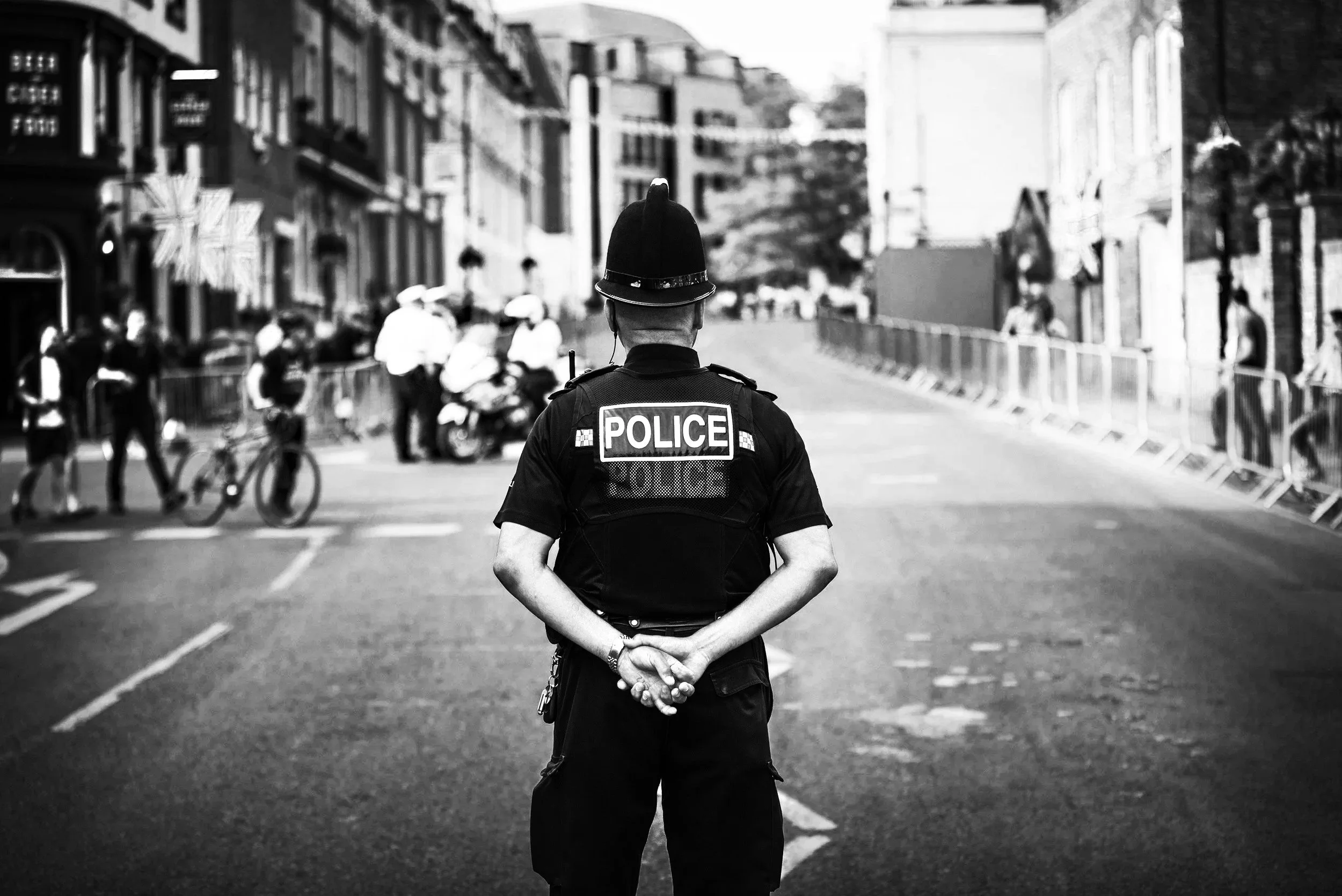
Top grade notes to get you thinking deeply about Femi’s poem on racial profiling.
Relevant for both OCR ‘Conflict’ and AQA ‘World and Lives’ poetry students.
The poem’s purpose: why did Femi write ‘Thirteen’?
If you’re one of my students, you’ll know that I always stress the importance of thinking about a writer’s purpose — especially in introductions and at the beginning and end of main body paragraphs.
Femi’s purpose in ‘Thirteen’ is to expose how law enforcement racially profiles Black youth, viewing them through a criminal lens and stripping away their innocence on the very threshold of adolescence.
It’s a 21st century poem that explores a present day problem in British society:
The British Journal of Criminology found that Black people in England and Wales are 5 to 9 times more likely to be searched than their British counterparts.
In the year ending March 2023, there were 24.5 stop and searches for every 1000 Black people, compared to just 5.9 per 1000 white people.
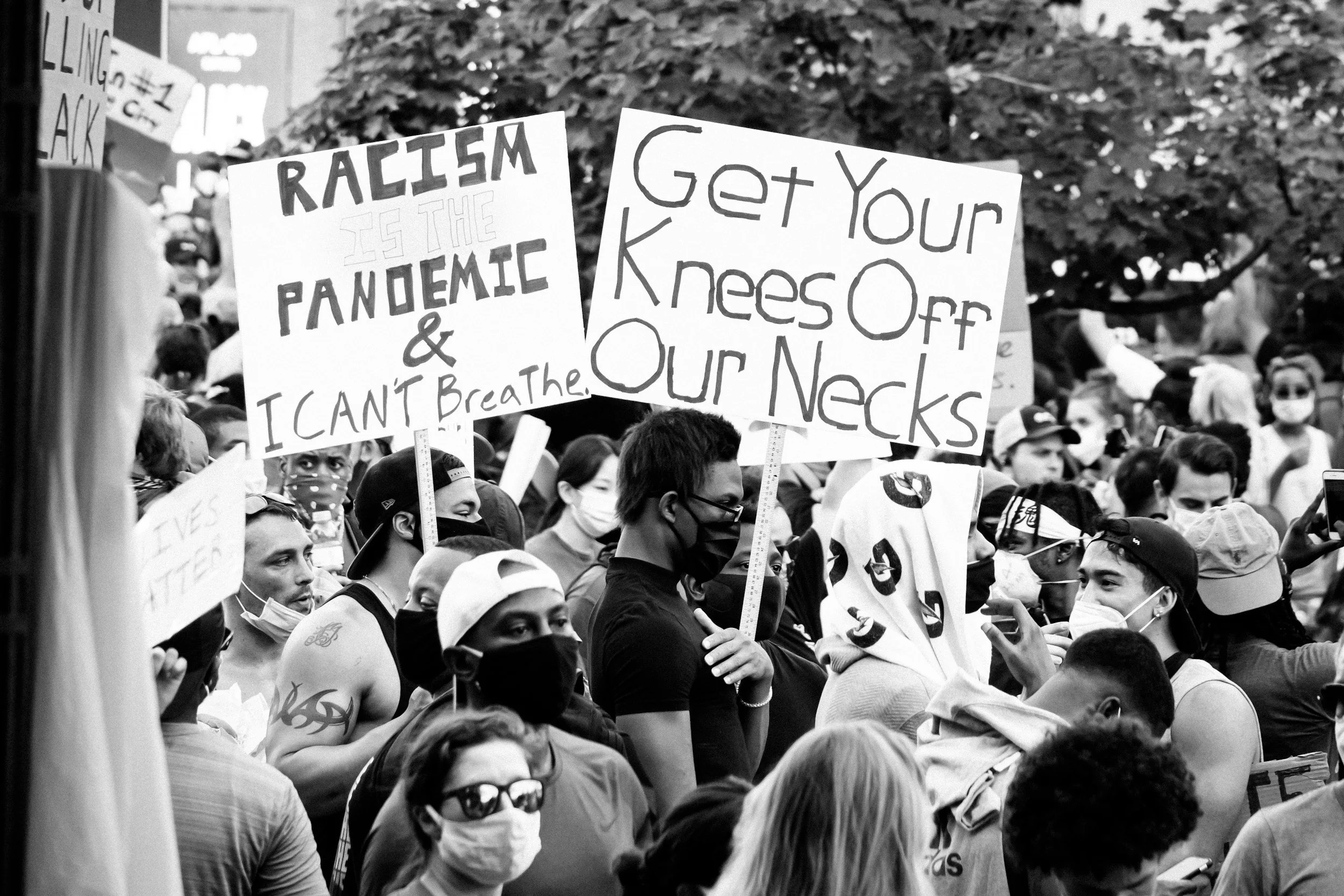
It’s worth being aware that Femi’s poem was published in 2020, the same year that George Floyd was murdered by Minneapolis Police, drawing international attention to the Black Lives Matter movement campaigning against racial inequality.
It’s therefore inevitable that Femi’s poem would be read in the context of Floyd’s murder, when police brutality against black people was brought to the forefront of people’s minds.
Now let’s jump into how Femi’s language and structural choices allows his poem to fulfil its purpose.
Racial profiling makes safe spaces feel threatening
“You will be four minutes from home”
Femi’s poem opens in medias res (in the middle of the action), to create the sense of the boy suddenly pulled out of his daily routine, ‘four minutes from home’ and likely returning from school. But he faces a threat his non-black peers may not.
It’s important that the boy’s stop happens so close to his ‘home’ — a setting associated with rest, family, and safety.
Yet the verb ‘cornered’ suggests, even when in their own neighbourhoods, black youth are under threat. ‘Cornered’ implies the police officers trap or bully the boy, drawing attention to how law enforcement paradoxically doesn’t protect but endangers black youth.
Beginning the poem with the second person accusative pronoun ‘you’ thrusts the reader into this position right from the poem’s start so they (regardless of their race) experience the boy’s struggle, while also creating a threatening, accusatory voice echoing the police officer’s.
Racial profiling strips away black youth’s innocence
“Thirteen, you’ll tell him: you’re thirteen”
The boy’s quick repetition of his age twice in one line in response to the police’s investigation about a ‘man’ accused of ‘robbery’ shows the boy’s self-defence rests on his age, which he assumes makes his innocence obvious and intuitive.
But Femi implies the boy is mistaken: the police continue to question him as if he fits the description of a ‘man’, implying that — in their eyes — he looks like (and therefore can be tried as) an adult.
This explains Femi’s deliberate choice of having the boy be ‘thirteen’ specifically, a number so important it lends the poem its title. ‘Thirteen’ implies the boy loses his innocence not in adulthood, but on the very brink of adolescence, when still very much a child.
The police’s accusations therefore highlight how they, and perhaps society more broadly, strip black youth of their innocence as soon as they show the faintest signs of maturity.
Racial profiling endangers black youth
“You will watch the two men cast lots for your organs”
Femi’s metaphor that the police officers ‘cast lots’ for his ‘organs’ implies the boy’s safety now rests on chance. ‘Cast lots’ also implies the police gamble, perhaps even sadistically play a game, to own the boy’s innards.
Femi’s visceral imagery of the police seeking to win the boys ‘organs’ worsens his vulnerability, as it suggests the police carry a morbid desire for his body parts. This suggests how racial profiling endangers black youth by showing how the police (meant to be upholders of justice) ironically behave like murderous criminals.
Read in the context of George Floyd’s murder that happened the same year ‘Thirteen’ was published, Femi’s readers would interpret this violent imagery as more than hyperbole used for dramatic effect, but instead as accurate to the real potential risks of police brutality against black people.

Black youth seem doomed in a racist society
“You were all supernovas,/ the biggest and brightest stars”
The police officer’s metaphor, with two successive superlatives, suggests his previous view of the boy and his classmates was highly positive so that he makes an effort to intensify his complements.
‘Stars’ is a word adults or teachers often use to praise young children, implying the officer was at one point won over by the children’s youth.
However, other readers may think the police officer’s praise sounds artificial — so enthusiastic it sounds patronising or disingenuous (as it’s later revealed to be). The alliteration and plosives in ‘biggest and brightest’ contributes to this sense of artificiality, giving the police officer’s voice a rehearsed, slogan-like quality — the officer, like many adults, promising the children a future that society will fail to deliver.
“Dying stars/ on the verge of becoming black holes”
The poem’s last line proves the policeman’s praise at the boy’s school was indeed disingenuous, subverting the brightness of the prior star imagery as the boy realises he is no longer a ‘supernova’ but a ‘dying star’ ‘becoming’ a ‘black hole’.
Femi’s subversion of the supernova metaphor implies black youth’s innocence is quickly and inevitably lost in a racist society as they age, just as surely as supernovas must die. The image is of immense wasted potential.
‘Dying’ could alternatively be read more literally as a reference to the black lives lost to police brutality or broader racial injustice.
Femi’s polysemic use of the word ‘black’ makes it clear this problem is caused by racism. ‘Black hole’ implies a region of space but also ‘black’ people, who similarly become dark, lifeless husks due to racism, perceived like dangerous voids that threaten wider society.
Looking for more OCR GCSE English Literature Poetry content? See this grade 9 deep dive on Clarke’s Lament.