Jekyll and Hyde as an Urban Gothic Novel
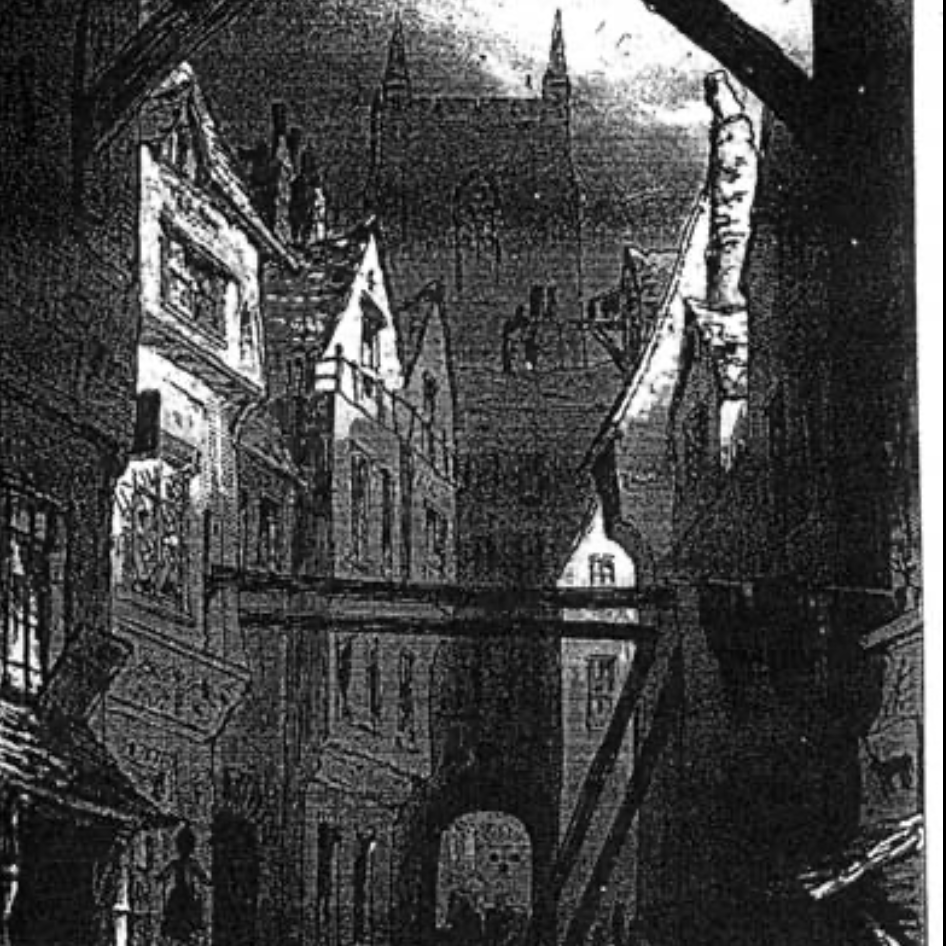
An illustration from Charles Dickens' Bleak House of Tom All Alones, the urban slum credited as a major influence on the development of the Urban Gothic genre
You might have discussed Stevenson’s Dr Jekyll and Mr Hyde (1886) as a Gothic novel in school — a great term to consider the novel’s form.
But what does it mean if we change that slightly, and call Jekyll and Hyde an URBAN Gothic novel?
How might that deepen your understanding of Stevenson’s intentions as a writer?
How does it shed a light on the dark underbelly of Victorian London?
Relevant for AQA, OCR, and Edexcel GCSE English Literature students.
What is the difference between Gothic and Urban Gothic novels?
Gothic novels traditionally take place in crumbling castles and fortresses, often deep in the wilderness where nature can seem as vast and terrifying as the creepy old castles themselves (think back to the sublime but terrifying mountain in The Prelude if you’re studying OCR or AQA Conflict poetry).
Let’s take a closer look at some key texts in the Gothic literature timeline:
Horace Walpole’s The Castle of Otranto (1764)— the first ever Gothic novel — takes place in a medieval Italian castle
Ann Radcliffe’s The Mysteries of Udolpho (1794) is also set in an Italian castle, surrounded by huge mountains, dark forests and powerful, rushing rivers
Emily Brontë’s Wuthering Heights (1847) doesn’t take place in a castle, but it does take place in an isolated, rural, country house in a dark, stormy moorland
These derelict old castles and shadowy wild landscapes make perfect sense for the Gothic tradition. They create fear, suspense and horror.
Dark, long castle corridors with no end in sight. Maze like castle secret passage ways, in the corners of which some unknown horror lurks. Suits of armour that seem to stare down at you as you pass them. Snow and rain hurling against high, foggy cliffs at night.
But then comes Stevenson. His novella isn’t set in a castle or among huge mountain ranges.
He chose to set his novel somewhere much more familiar: the city of London.
So, just like the Gothic, the Urban Gothic aims to explore the horrifying and mysterious. But it moves that horror into people’s cities, their homes and neighbourhoods, to show the dangers that lurk in urban spaces.
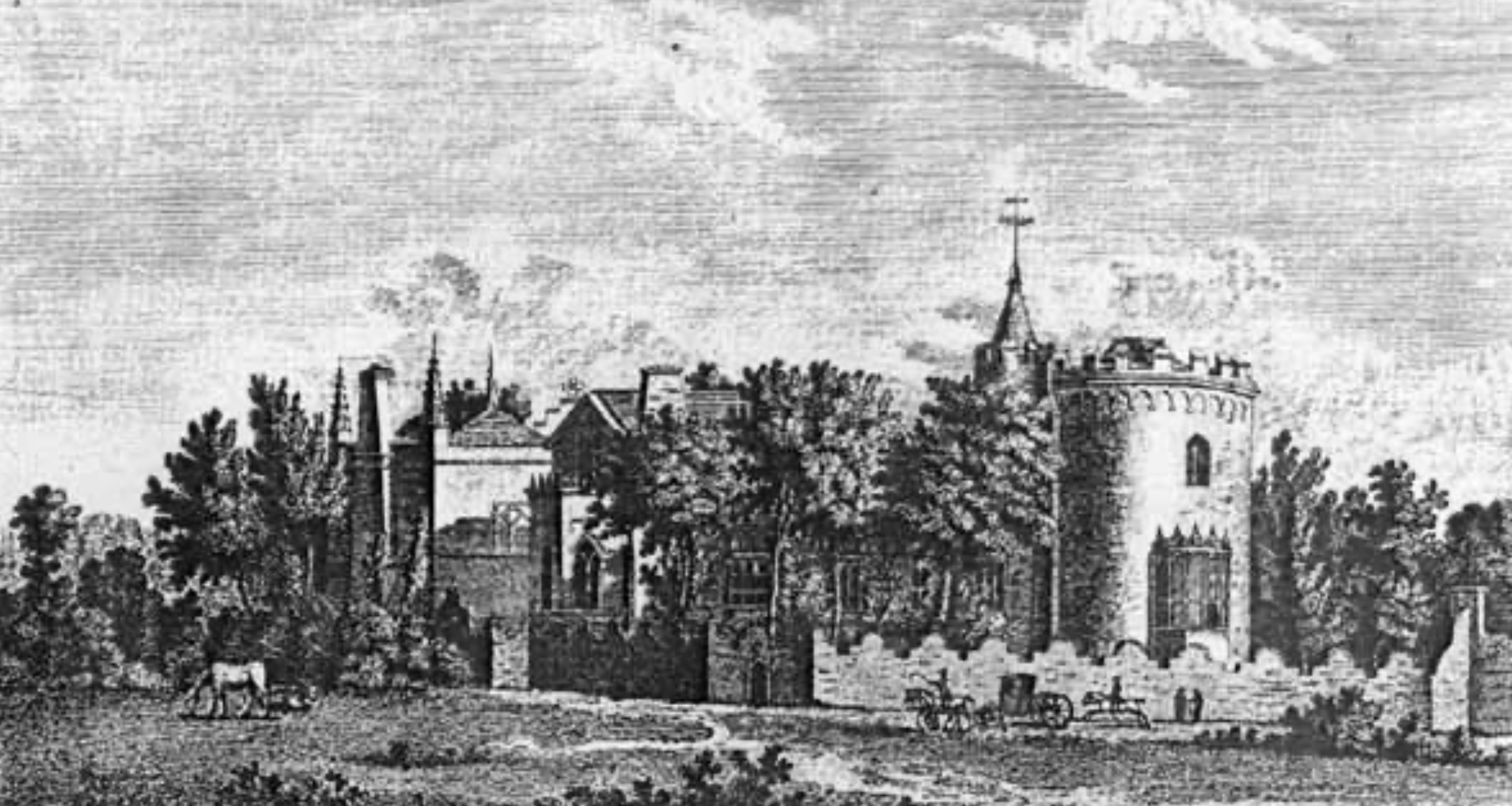
An 18th century engraving of Strawberry Hill House, the Gothic villa where Horace Walpole had a nightmare that inspired what many consider the first Gothic novel, The Castle of Otranto (1764)
Why does Victorian London work well as an Urban Gothic setting?
Victorian London was a place of immense privilege for some, where the upper classes conformed to all the rules that a respectable gentleman was supposed to follow and made great public images for themselves.
But Victorian London also featured rampant crime.
Prostitution was common in places like The Strand
Drugs like opium were widely used — not made illegal until 1868
Pickpocketing was rife, an activity Victorian London is still associated with today because of Dickens’ Oliver Twist (1837)
Just 2 years after Jekyll and Hyde was published in 1886, the serial killer Jack the Ripper (to this day unidentified) murdered 5 women within a single square mile radius — all left grotesquely mutilated
Even Victorian London’s atmosphere lent itself to a Gothic story
London’s near constant smog (the ‘London peasoupers’), created by coal burning in factories, gave crime a place to hide
Even the very layout of London as a city — vast, sprawling with dark, little alleys — works great for Gothic stories as it gives criminals places to slip in and out of, while their victims get lost in the maze
So Stevenson’s decision to move the Gothic into urban environments, and therefore create the Urban Gothic genre, shows his readers the dark underbelly of their home, now brought to light
Like Jekyll, London had a gentlemanly reputation — a place of wealth, history, power where the upper classes resided. But Stevenson also wants to focus on London’s Hyde-like aspects, taking place in the shadows of its backstreets.
London’s duality is key to helping Jekyll live his double life: Jekyll appears in the respectable areas, while Hyde haunts its dark and dangerous alleys.
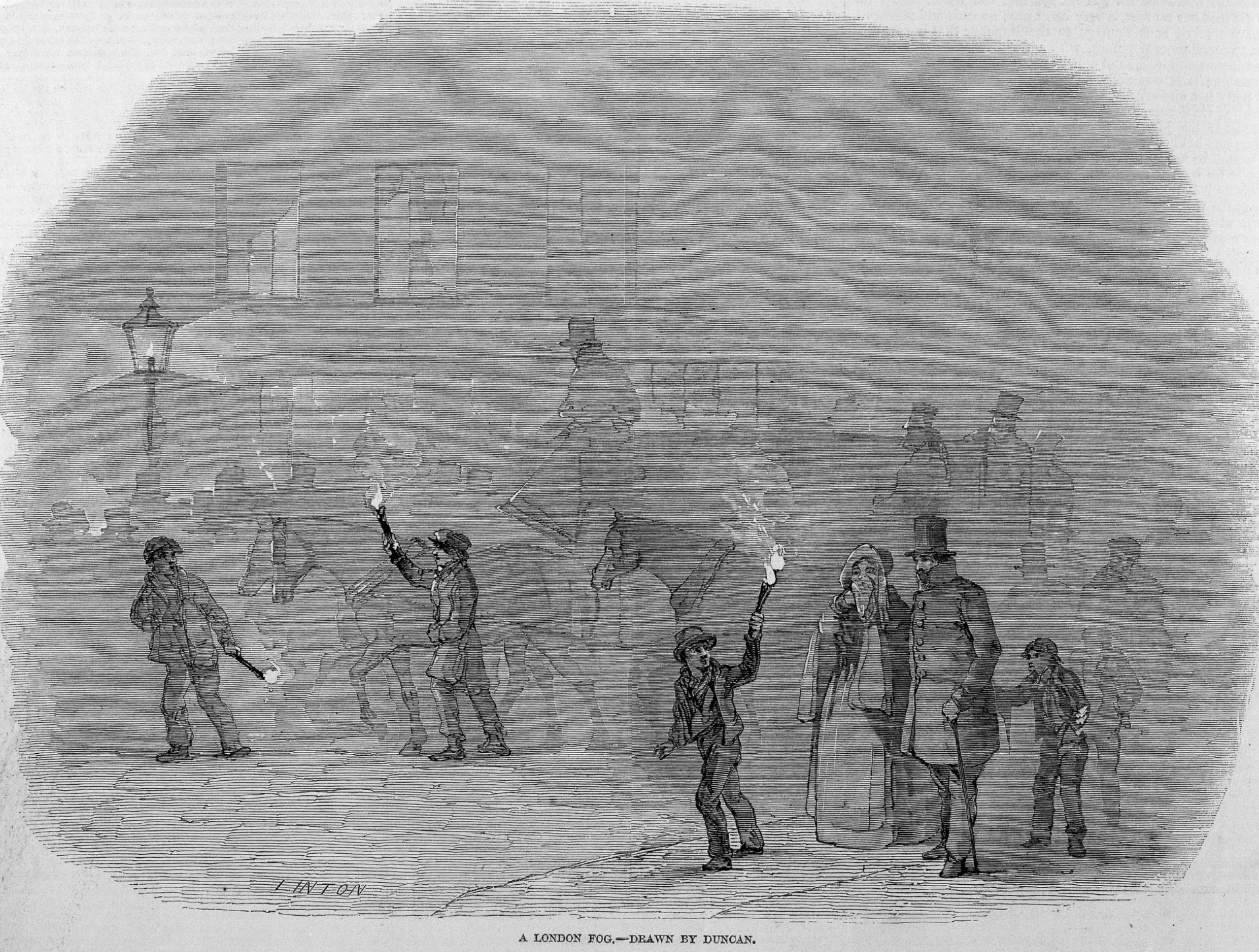
"A London Fog", from The Illustrated London News (1847)
Urban Gothic imagery in the novella
An amazing moment to explore the novel’s presentation of London as an Urban Gothic space is in Chapter 2 where Utterson lies in bed, so disturbed by what he’s heard of Hyde that he drifts between insomnia and terrifying dreams.
His imagination conjures up a nightmarish city that Hyde lurks in like a Gothic monster:
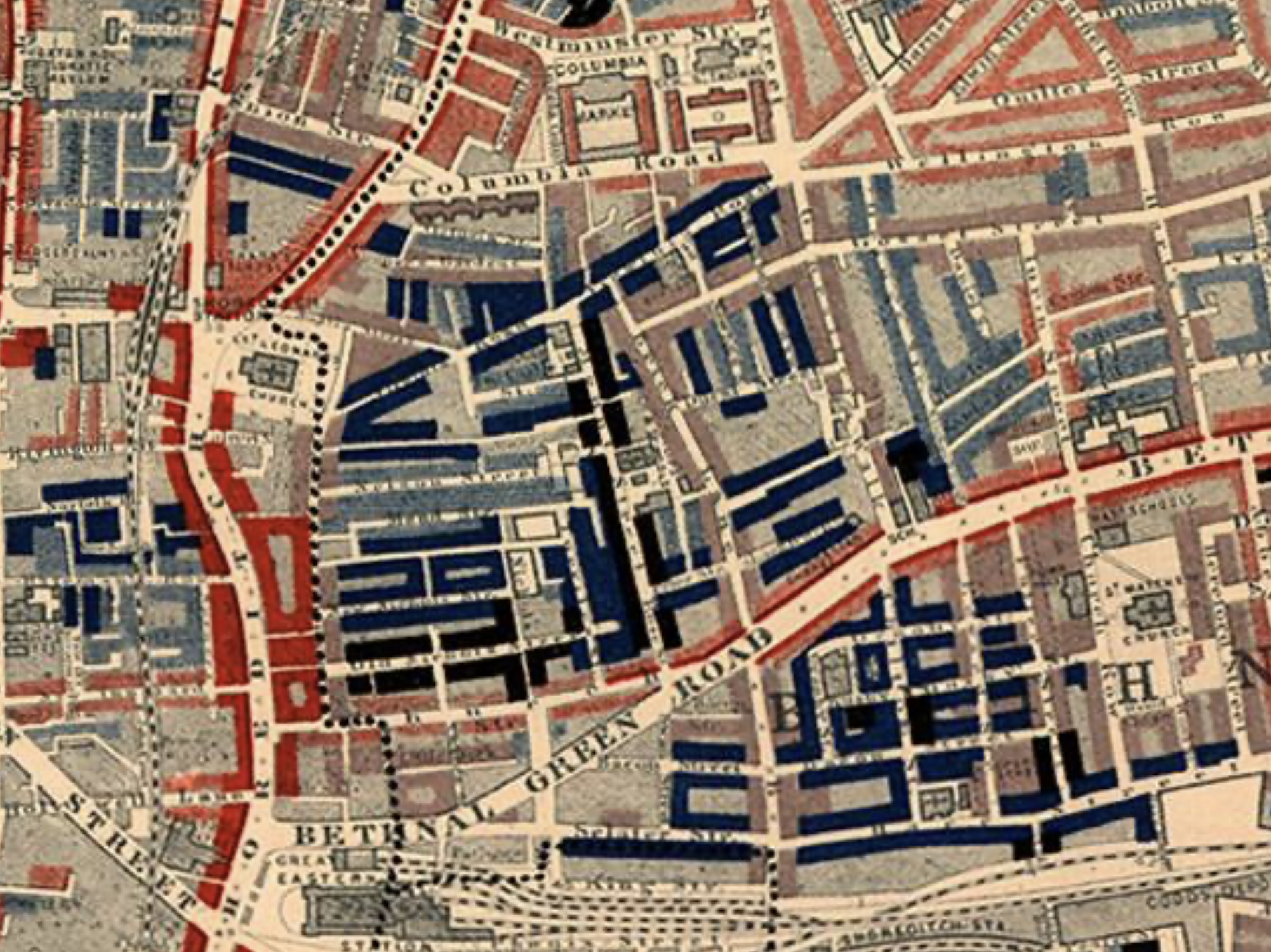
A poverty map of 19th century London showing a slum from the East End, colour coded to show middle class areas (red) and of greater poverty (dark blue and black). Look at how closely they sit together, and how maze-like the city appears from above.
“The figure in these two phases haunted the lawyer all night; and if at any time he dozed over, it was but to see it glide more stealthily through sleeping houses, or move the more swiftly and still the more swiftly, even to dizziness, through wider labyrinths of lamplighted city, and at every street-corner crush a child and leave her screaming. And still the figure had no face by which he might know it; even in his dreams, it had no face, or one that baffled him and melted before his eyes” (Chapter 2)
There’s much effective language and structure to unpack in this extract (especially toward the end where Hyde’s face ‘melted before his eyes’), but let’s analyse it for an essay on setting.
Hyde is described to ‘glide’ ‘stealthily through the sleeping houses’
The verb ‘glide’ implies a ghost-like, silent movement that barely leaves a trace — that’s what makes Hyde so horrifying for Utterson: he’s mysterious, dangerous but difficult to pin down, even if Utterson makes it his mission to do so (‘if he be Mr Hyde, I shall be Mr Seek’ [Chapter 2]). Stevenson’s readers may have drawn parallels between Hyde’s mysteriousness and serial killer Jack the Ripper’s (who remains unidentified to this day).
The personification of the ‘sleeping houses’ implies not just the inhabitants but the houses they reside in are at risk, as if the whole city is a sleeping creature vulnerable to Hyde who passes through it. This subtly implies Utterson’s own fear: don’t forget that — at this very moment — Utterson also lies in bed, newly aware of his vulnerability.
‘Sleep’ is a time of rest in a safe space, but this image presents it as a time of immense vulnerability. Think of poor Duncan in Macbeth: whether in medieval Scotland or Victorian London, crime thrives under the cover of night when potential victims lie unconscious.
Utterson imagines Hyde to move ‘swiftly and still the more swiftly’ through the ‘wider labyrinths of lamplighted city’
Stevenson’s repetition of the adjective ‘swiftly’ creates a sense of how Utterson’s imagination, propelled by anxiety, accelerates Hyde’s movements. With each repetition of the word, Hyde seems to get faster and harder to trace.
This is part of a bigger idea explored by many Gothic writers: that fears as imagined by the mind are often significantly worse than they could ever be in reality. The imagination can conjure things far worse than reality could ever allow for. As Stevenson tells us just before this passage, Utterson’s ‘imagination’ ‘was engaged, or rather enslaved’.
That’s why Hyde seems to move with impossible speed and wreak destruction wherever he turns: ‘at every street-corner crush a child and leave her screaming’. Just as Utterson’s anxious mind accelerates Hyde, it escalates his destructive potential: not just one child is crushed (as actually happened), but an uncountable number of children.
Stevenson’s description of the city streets as a ‘labyrinth’ is perhaps one of the best examples of how the traditional Gothic setting of mazy corridors with secret passageways is transposed to city environments in Urban Gothic novels with their winding streets and hidden alleys.
‘Labyrinth’ could also be read as a subtle allusion to the Greek myth of Theseus and the Minotaur, implying London’s mazes are haunted by their own half man, half beast: Jekyll/ Hyde.
Use this moment to explore how Stevenson explores the high crime prevalent in Victorian London and the how imagination can horrify the mind with images.
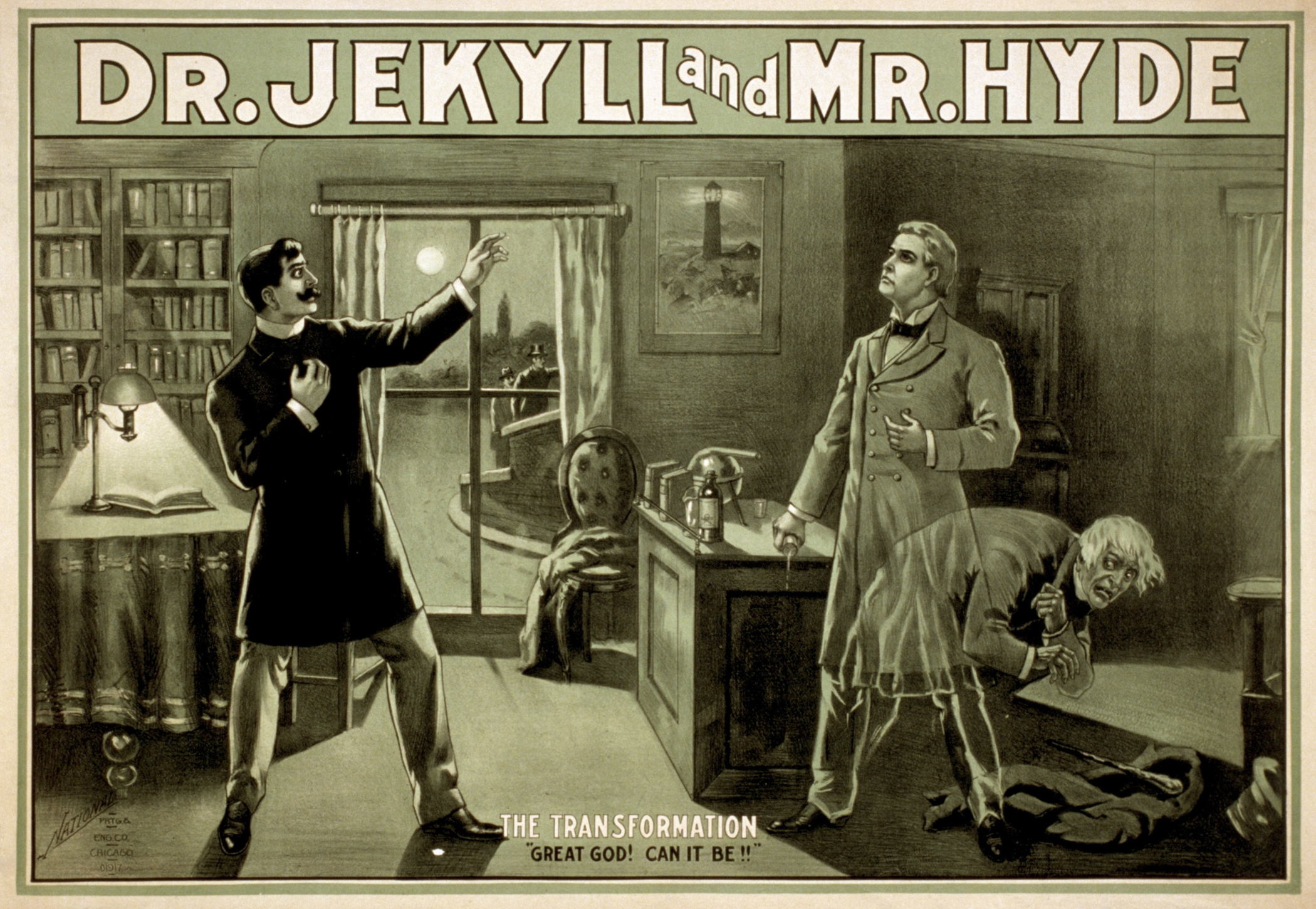
Poster for an 1887 stage adaptation of the novella
Analysing Jekyll and Hyde’s setting: a student example
Below, find creative and original analysis of setting in Jekyll and Hyde from one of my Year 11 tutees, analysing an extract from Chapter 8 set by AQA (from ‘it was a wild, cold seasonable night of March’ to ‘they’re all afraid’).
The student did a solid job keeping a firm grip on their point (expressed in their essay’s topic sentence) all the way through. They also write concisely so they can analyse a broad range of evidence in detail.
The answer would be improved if the paragraph ended by reflecting on Stevenson’s intention as a writer: ‘This presentation of setting allows Stevenson to explore how….’ (then something universal about human nature).
If you’d like to improve your essay writing on Jekyll and Hyde, get in touch.
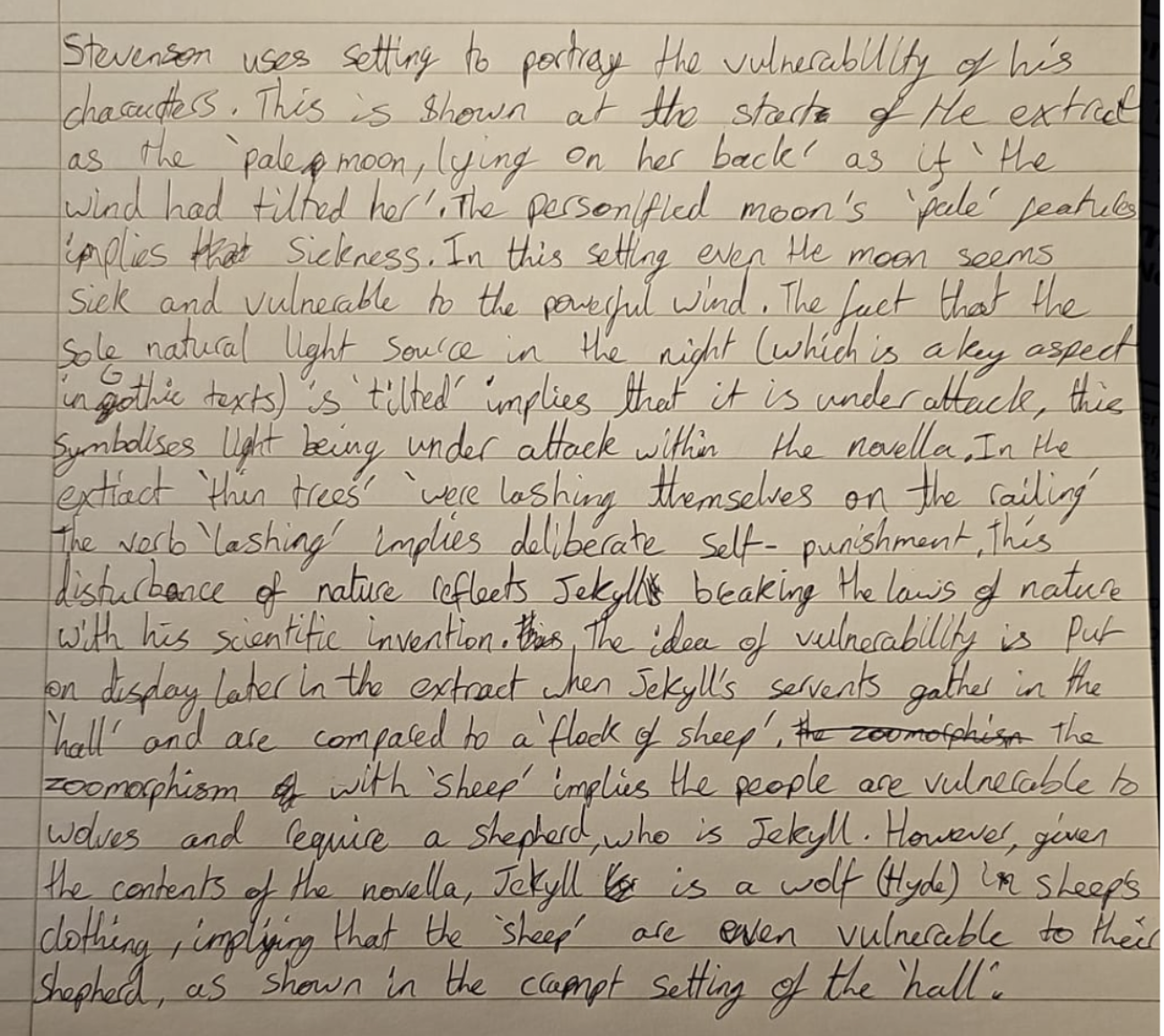
TEXT VERSION FOR ACCESSIBILITY:
Stevenson uses setting to portray the vulnerability of his characters. This is shown at the start of the extract as the 'pale moon, lying on her back' as if 'the wind had tilted her'. The personified moon's 'pale' features implies sickness. In this setting even the moon seems sick and vulnerable to the powerful wind. The fact that the sole natural light source in the night (which is a key aspect in Gothic texts) is 'tilted' implies that it is under attack, this symbolises light being under attack within the novella. In the extract 'thin trees' 'were lashing themselves on the railing' the verb 'lashing' implies deliberate self-punishment, this disturbance of nature reflects Jekyll's breaking the laws of nature with his scientific invention. The zoomorphism of with 'sheep' implies the people are vulnerable to wolves and require a shepherd, who is Jekyll. However, given the contents of the novella, Jekyll is a wolf (Hyde) in sheep's clothing, implying that the 'sheep' are even vulnerable to their shepherd, as shown in the cramped setting of the 'hall'.